

The complete guide
How to Choose a Compact Beverage Fridge for Your Space
Give your drinks their own space
A crowded kitchen fridge can make a simple drink hard to find. Cans roll behind food, bottles take up shelf space, and guests may need to search for what they want. A dedicated mini fridge gives drinks a separate home and makes restocking easier to manage.
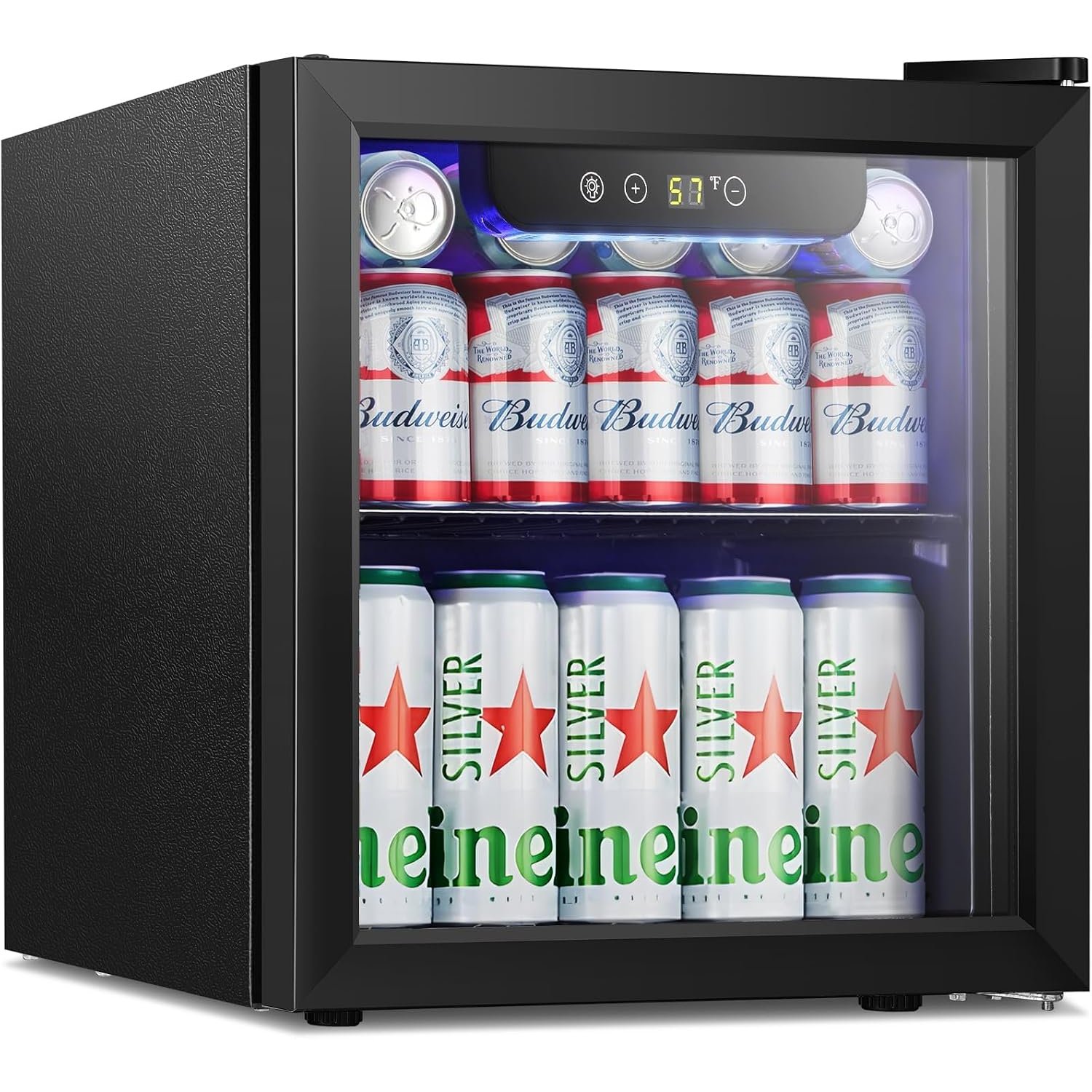
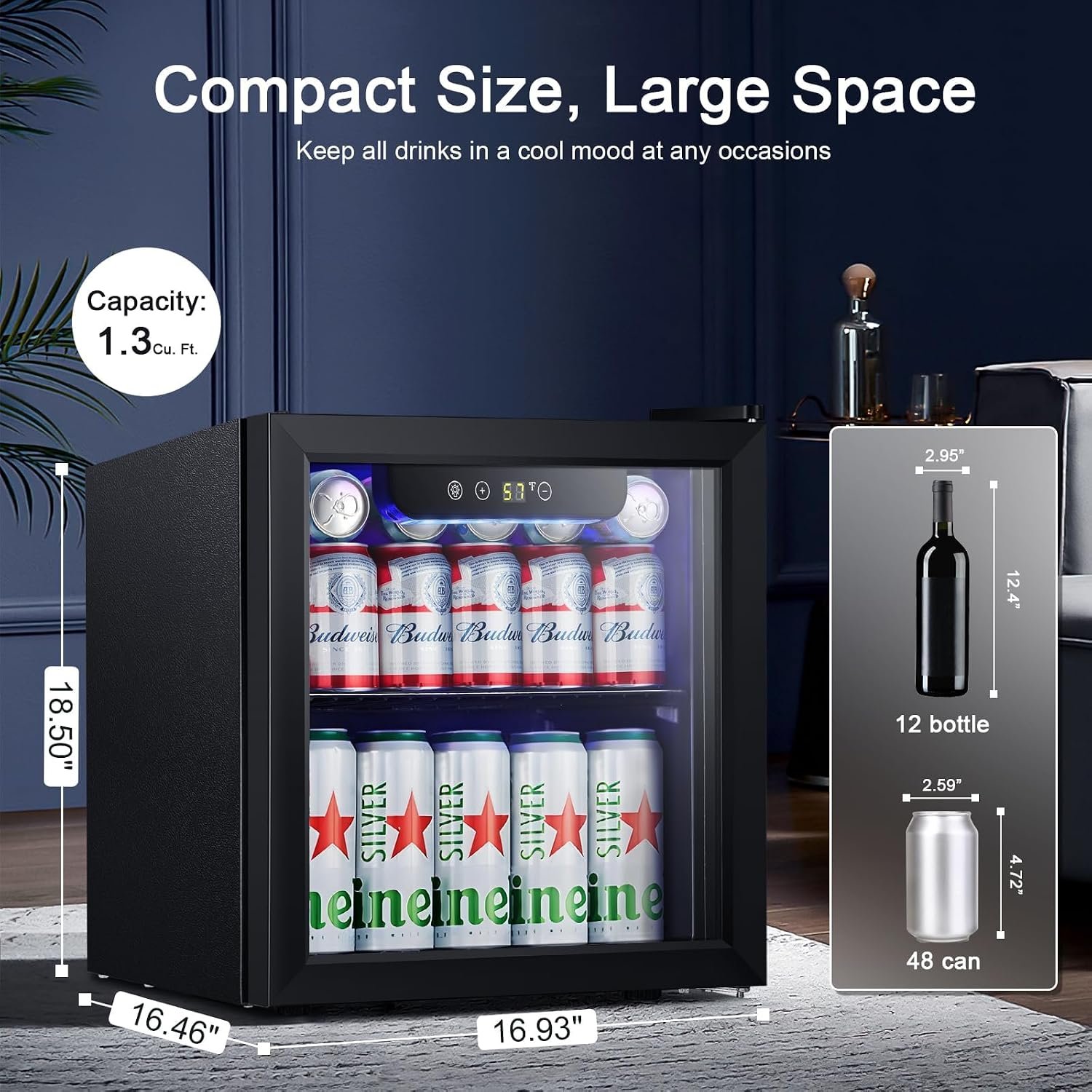
The W5836H is a compact beverage model with a glass door and a stated capacity of 1.3 cubic feet. It is intended for freestanding use and can hold up to 48 standard-sized cans. That makes it worth considering when you want a small drinks station rather than another full-size kitchen appliance.
The important question is whether it matches your space and habits. Capacity matters, but so do the temperature range, door access and electrical supply. Here is how to judge those details before ordering.
Understand what this fridge does
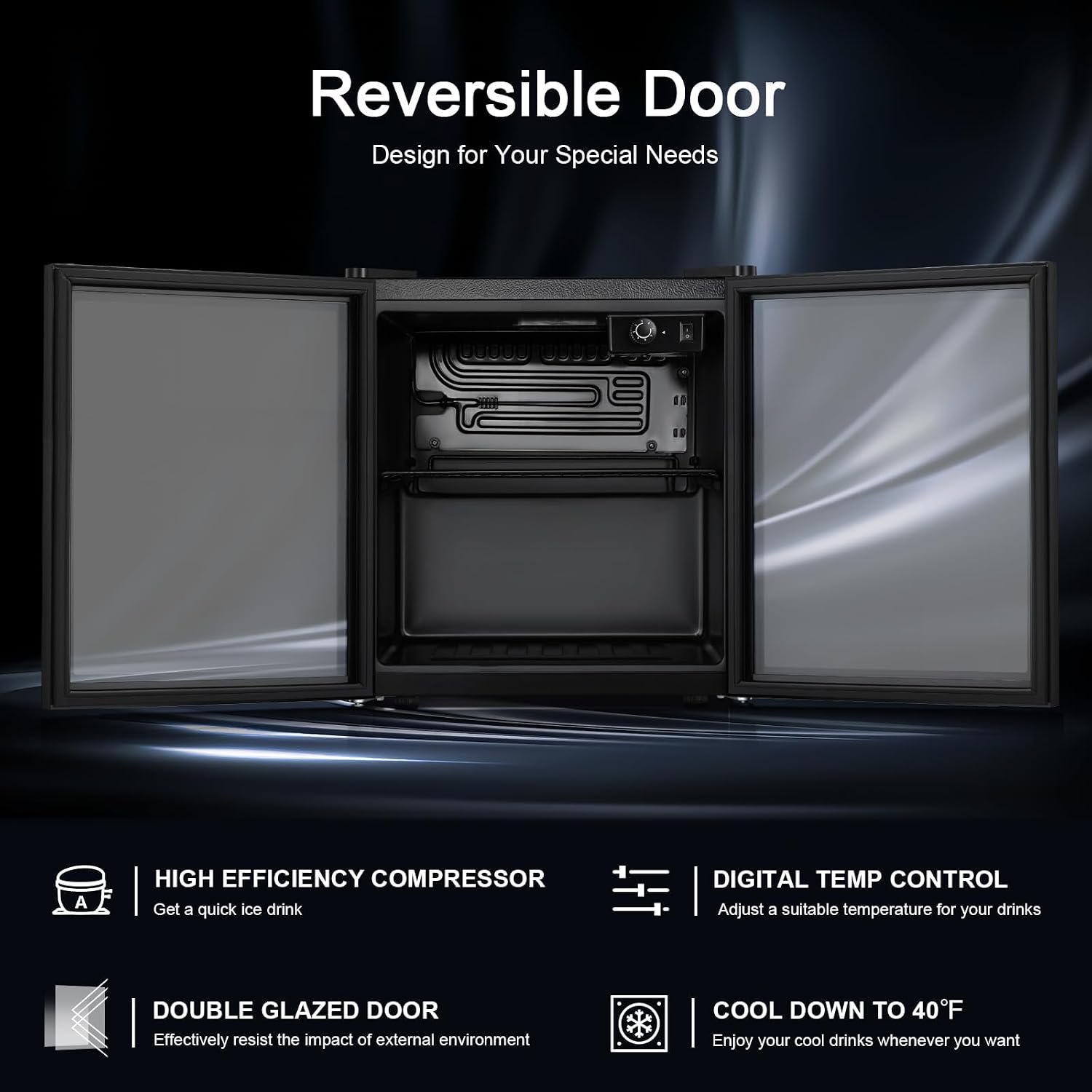
This is a freezerless beverage refrigerator. It uses compressor cooling and offers digital temperature control over a listed range of 40°F to 61°F. The aim is to keep drinks at a chosen temperature within that range, not to freeze them.
That distinction matters if you are comparing it with a general-purpose compact refrigerator. A freezer compartment is not part of this model. If ice trays or frozen snacks are on your shopping list, you will need a different appliance.
Think about the drinks you actually buy. Canned soft drinks, beer and wine are all uses described by the maker. Check the storage or serving advice for your preferred drinks rather than assuming one setting will suit every container.
Measure the space before choosing
The recorded dimensions are 41.81 × 43 × 46.99 cm. Those numbers describe a small appliance, but they are only the starting point for planning its position.
Measure the available surface and the space above it. Then check how far the door can open without striking a wall, furniture or a nearby object. A fridge may fit into a gap while still being awkward to load.
You also need ventilation room. Exact clearances are not given by the maker by the maker, so consult the appliance manual before settling on a location. Do not plan a tight enclosure based only on the outside dimensions.
The recorded weight is 14.7 kg. Choose a stable, suitable support and think about how you will carry the appliance into the room. Planning that route in advance is easier than solving it at the doorway.
Keep it freestanding
This model is explicitly intended for freestanding use, not built-in installation. A home bar drinks fridge can look tidy beside furniture without being enclosed inside it.
Do not treat an empty cabinet opening as automatic approval for installation. Airflow requirements still apply, and the manual should guide the final position. A furniture layout that blocks ventilation is not a good fit simply because the door remains visible.
The reversible door can help with room planning. You can choose the opening direction that works better for access, following the supplied instructions. This is useful beside a wall or at the end of a drinks area, where the wrong swing could get in the way.
Judge capacity by your usual drinks
The maker gives a maximum of 48 standard-sized cans. That is a useful comparison figure for a 48 can beverage fridge, but it does not promise the same count for every drink format.
Tall cans, wide bottles and mixed loads use space differently. Wine bottles also vary in shape. If you mostly buy larger containers, focus on whether those containers fit rather than on the headline can count.
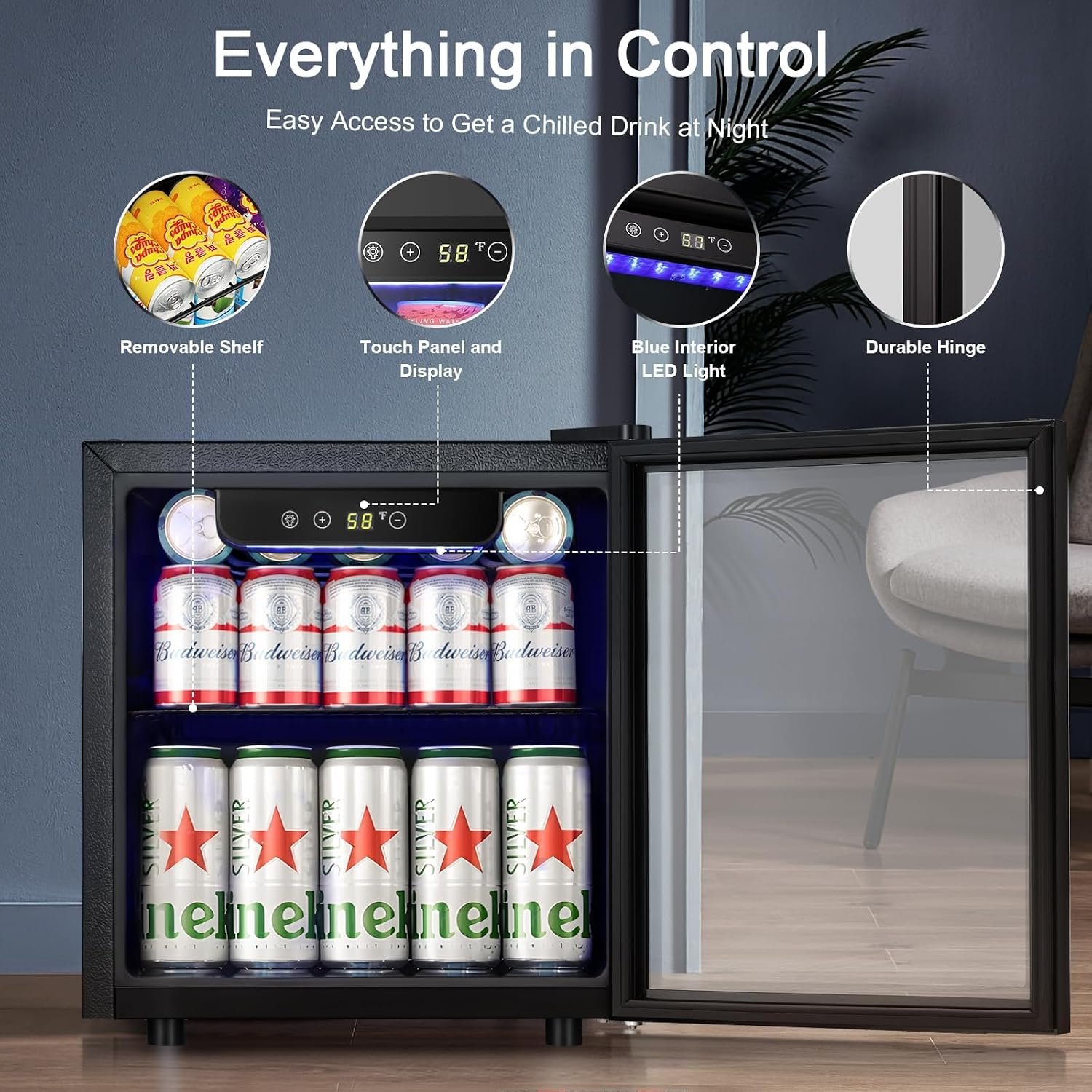
One plastic shelf is listed. The maker does not confirm adjustment positions, so do not assume a particular shelf layout or bottle clearance.
A practical approach is to picture your usual weekly selection. If you want a few different drinks ready at once, a mixed arrangement may matter more than reaching maximum capacity. Leave yourself a layout that is easy to use, not just tightly packed.
Choose a temperature for your needs
A digital temperature beverage cooler makes choosing a setting straightforward, but the available range still needs to match your expectations. This model is listed to operate between 40°F and 61°F.
Some buyers want very cold canned drinks. Others want wine closer to a serving temperature. Compare your preference with the stated range before buying, especially if you are replacing a fridge that you normally set colder.
The maker's description does not provide cooling-time tests or temperature-uniformity measurements. Avoid planning around a promised rapid chill that is not documented here. Follow the manual when starting the fridge and allow the contents time to cool.
The maker's description presents it as a drinks fridge, not a food fridge. Choose it for the beverage uses described, rather than assuming it can meet every refrigeration need.
Decide whether a glass door suits you
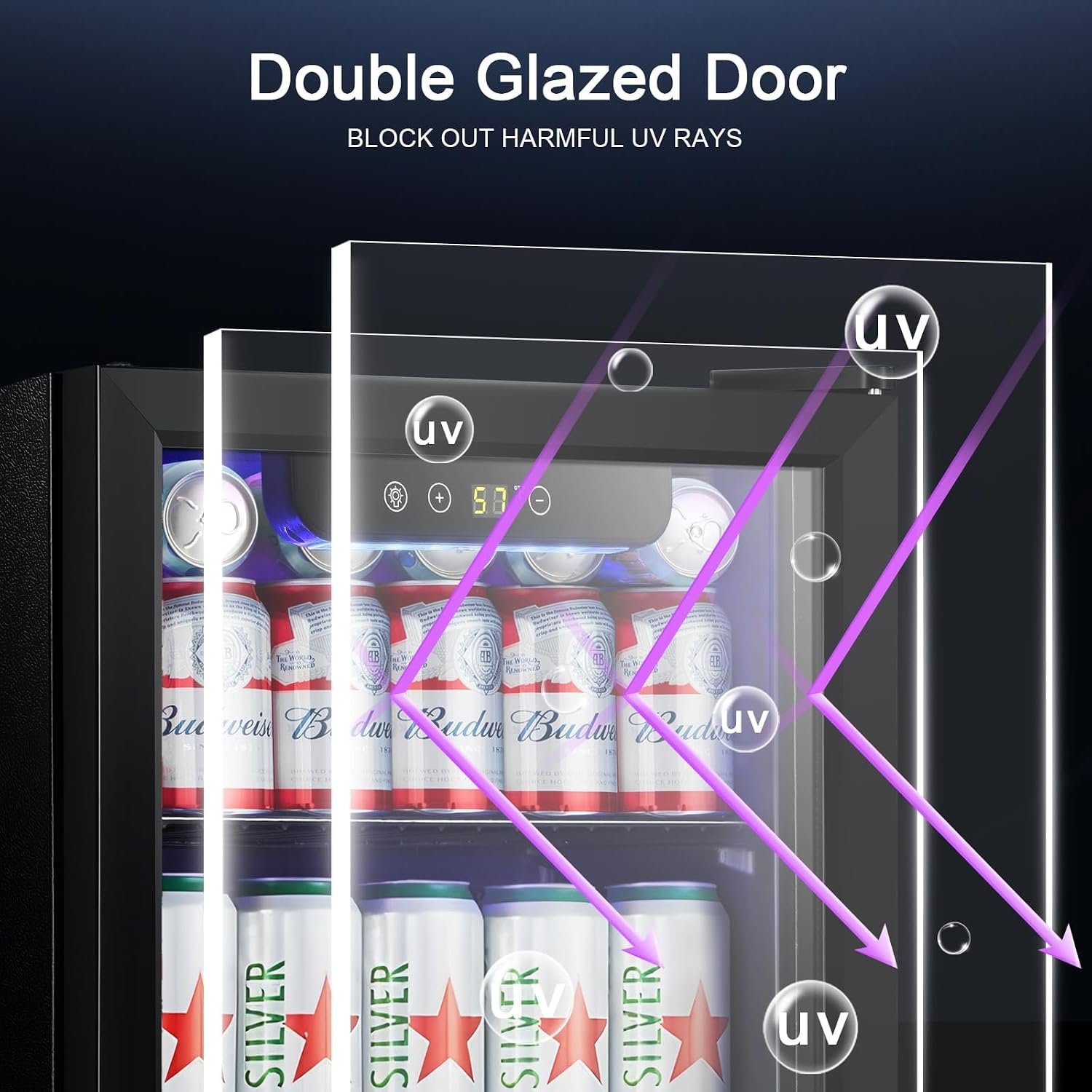
A glass door drinks cooler lets you see your selection without opening the door. That can be useful when guests are choosing a drink or when you are checking what needs replacing.
Blue LED interior lighting is also listed. It helps show the contents and gives this model a different look from a solid-door fridge.
Consider where the front will face. In a shared office or home bar, a visible selection may be helpful. In a sleeping area, think about whether an illuminated appliance suits the room and check the manual for lighting controls. Those control details are not specified by the maker.
Glass also benefits from regular gentle cleaning. Fingerprints are easier to notice on a display door, so make that small task part of your usual room care.
Check the electrical requirements carefully
This is one of the most important checks for an international buyer. The listed electrical requirement is 115 V AC, with a Type A 2-pin North American plug.
Both the plug and the supply voltage must be suitable.
A travel plug adapter changes the physical connection, not the voltage. If your local supply differs, get qualified advice about this exact appliance before purchase. Do not guess at a conversion setup.
Also consider where the outlet sits in relation to the planned position. Follow the manual's electrical instructions, and avoid buying first with the hope that connection details can be sorted out later.
Match it to the room
An office beverage fridge may help keep shared drinks separate from lunches. Before choosing one, check workplace appliance rules and make sure there is an approved location with suitable power.
A dorm room drinks fridge needs the same checks. Residence rules may place limits on appliance types or installation, so confirm permission rather than relying on the compact size alone.
For a home drinks area, think about the path between seating and the fridge. Easy door access often matters more than placing the appliance in the smallest possible gap.
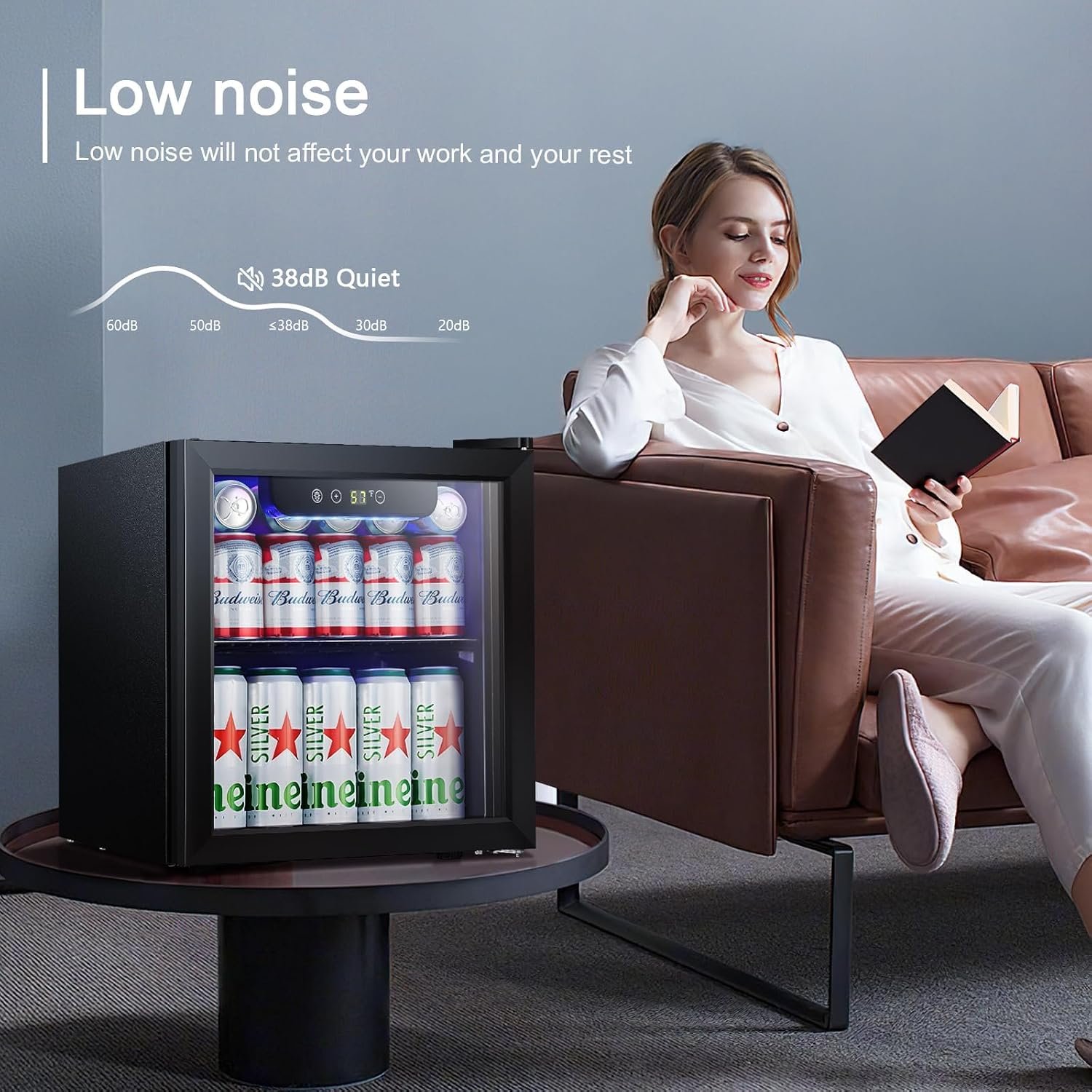
The maker describes this model as quiet, but no measured noise level is given. A compressor appliance should not be assumed silent. If you are sensitive to sound, especially at night, ask for more information before placing it beside a bed or work desk.
Plan for cleaning and manual defrosting
This appliance has manual defrosting rather than an automatic defrost system. Read the supplied instructions so you know how to manage that task safely.
Disconnect the power before cleaning or defrosting. Use a soft cloth and mild cleaning solution, then dry the interior. Avoid sharp tools for removing ice and abrasive products that could damage surfaces.
Keep the door seal clean and check that containers are not blocking closure. Wipe up spills promptly so they do not become harder to remove.
Ventilation areas also need to stay clear. When you clean around the fridge, check that nearby objects have not shifted into the space required by the manual. Simple care is easier when the appliance remains accessible.
Check the unknowns before ordering
Some details deserve a direct question.
It also does not establish an usable annual energy-consumption figure for comparing running costs. Request the current appliance energy label if that is a key part of your decision.
If buying as a gift, check the recipient's space and power supply first. A compact wine cooler is still an electrical appliance with specific installation needs, not a gift that fits every home automatically.
Keep the packaging while checking the appliance against your order and intended location.
The short version
The W5836H offers dedicated drink storage in a compact, freestanding format. Its glass door, blue LED lighting and reversible opening are useful features for a small beverage area.
Choose it if the 1.3 cu ft capacity and 40°F to 61°F range suit your drinks. Before ordering, confirm the fit, ventilation needs and 115 V Type An electrical requirements. Those checks matter more than squeezing a fridge into the nearest spare corner.